

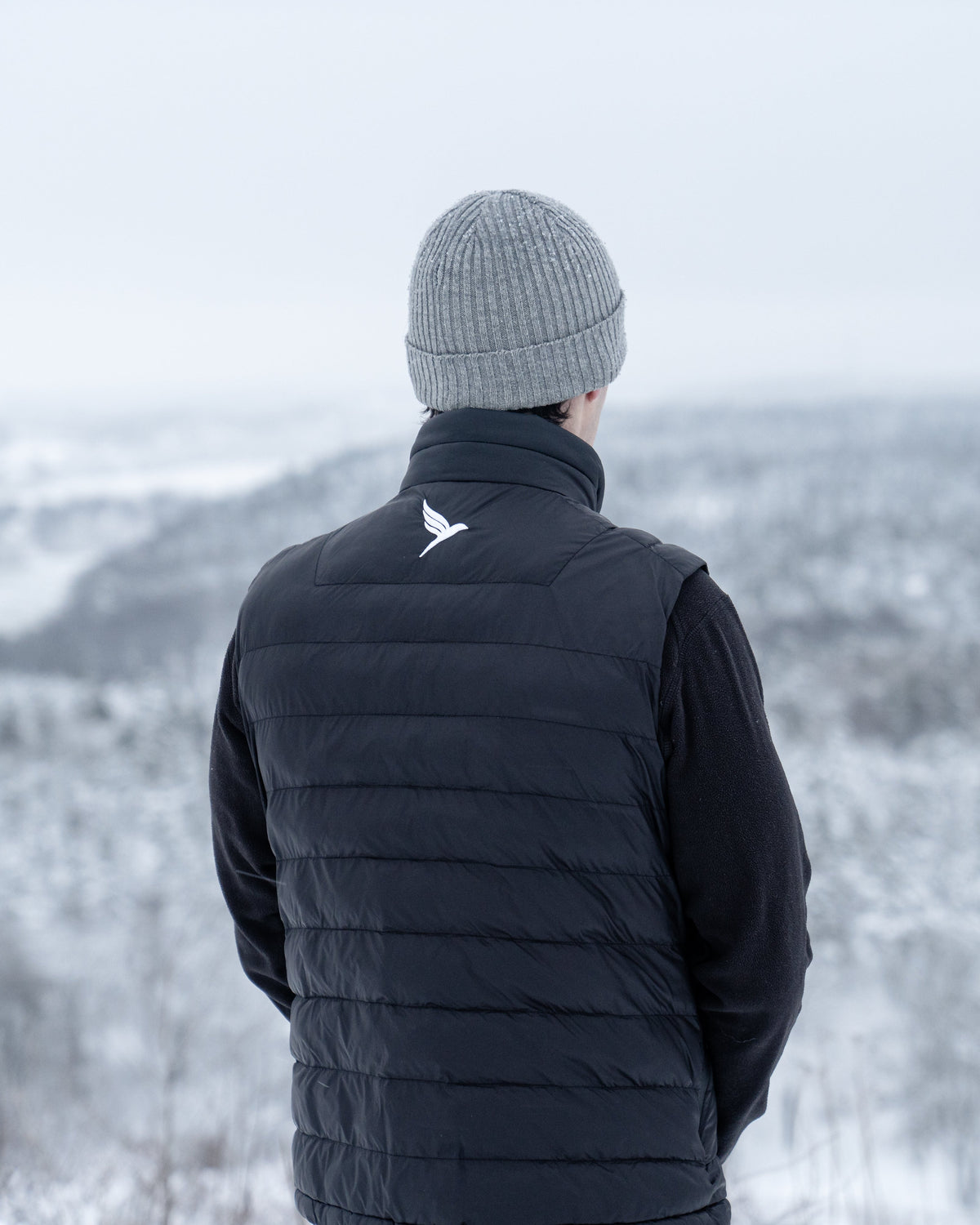

What Do You Need to Survive an Arctic Expedition?
Surviving an Arctic expedition requires far more than endurance and navigation skills. Extreme cold, strong winds, long exposure, and isolation create an environment where small mistakes can quickly become dangerous. To operate safely in the Arctic, every expedition must prioritize thermal management, clothing systems, and heat retention.
While shelter, food, and route planning are essential, staying warm is the foundation of Arctic survival.
Thermal Management: The Most Critical Factor in Arctic Survival
In Arctic conditions, the human body constantly loses heat through:
-
Wind exposure
-
Contact with snow and ice
-
Moisture from sweat
-
Fatigue and inactivity
Once core temperature drops, physical strength, coordination, and decision-making deteriorate rapidly. Preventing heat loss is therefore not about comfort, but about maintaining function and safety.
Layered Clothing Systems for Arctic Expeditions
All Arctic clothing systems rely on three essential layers:
Base Layer
Designed to manage moisture and keep the skin dry. Wool and technical synthetics are commonly used because wet skin accelerates heat loss.
Insulating Layer
Traps warm air around the body. This layer provides the main passive insulation and often includes fleece, wool, or down.
Outer Shell
Protects against wind, snow, and ice. Wind resistance is particularly important, as wind chill can dramatically increase heat loss.
While this system is fundamental, it has limitations in extreme cold.
The Challenge of Inactivity in Extreme Cold
One of the most dangerous moments during an Arctic expedition is when movement stops. This includes:
-
Short breaks
-
Camp setup and breakdown
-
Cooking outdoors
-
Navigation and equipment repairs
When activity levels drop, the body produces far less heat. Even with thick insulation, core temperature can fall quickly. Adding more layers helps, but excessive bulk reduces mobility and efficiency.
This is where modern expedition systems have evolved.
Heated Clothing as a Survival Advantage in Extreme Cold
Heated clothing has become increasingly common in Arctic expeditions as a functional complement to traditional layering. Rather than relying solely on trapped body heat, heated garments provide controlled warmth exactly when and where it is needed.
Benefits of Heated Clothing in Arctic Conditions
Core temperature stability
A heated vest supports the body’s core during rest periods, helping protect vital organs and maintain overall endurance.
Improved hand function
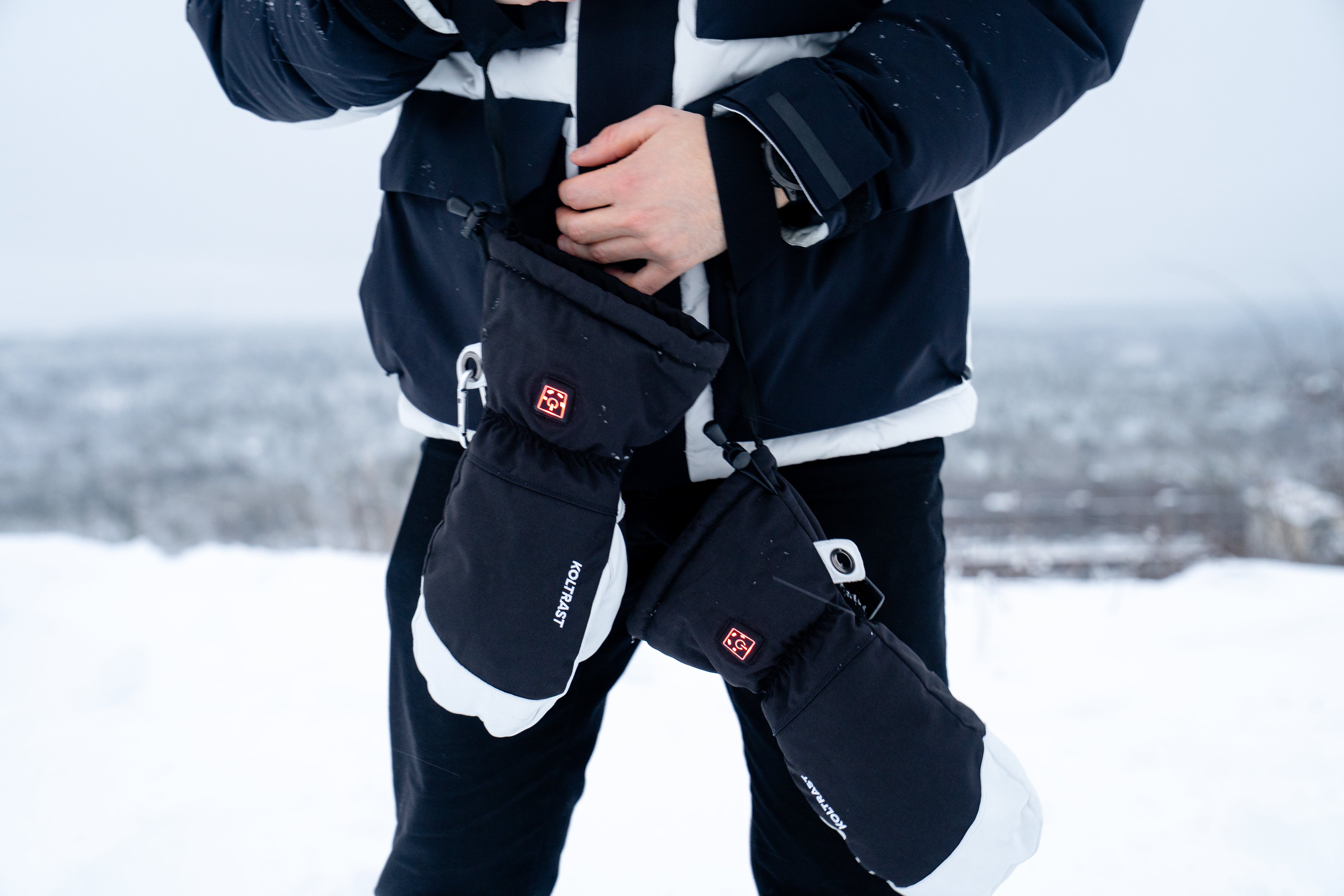
Heated mittens help preserve dexterity during fine motor tasks such as handling equipment, adjusting bindings, or setting up camp. Warm hands reduce the risk of frostbite and loss of grip strength.
Reduced energy consumption
Supplemental heat lowers the metabolic cost of staying warm, conserving calories and reducing fatigue over multi-day expeditions.
Safer breaks and camp life
Heated clothing allows short pauses without rapid cooling, lowering the risk of hypothermia during stops and evenings in camp.
Why Heated Clothing Matter in the Arctic
Cold injuries rarely start at the core. They usually affect extremities first.
Hands
Hands are highly exposed and essential for nearly all expedition tasks. Heated mittens provide consistent warmth even in strong wind and low activity, maintaining function when passive insulation alone is insufficient.
Core
The torso controls overall heat distribution. A heated vest adds targeted warmth to the chest and back, helping stabilize core temperature during inactivity and recovery periods.
By focusing heat on these critical areas, heated clothing improves both safety and performance.
Energy, Recovery, and Long-Term Survival
Arctic expeditions place enormous stress on the body. Cold exposure increases calorie burn, slows recovery, and impairs judgment. Over time, this can lead to cumulative fatigue and higher risk.
By reducing thermal strain, heated clothing supports:
-
Better recovery in camp
-
More consistent energy levels
-
Clearer decision-making under pressure
These benefits become increasingly important during long or remote expeditions.
What a Modern Arctic Expedition Clothing System Includes
Essential foundation:
-
Moisture-managing base layers
-
Effective insulating layers
-
Windproof outer shell
Modern thermal additions:
-
Heated vest for core temperature control
-
Heated mittens for hand protection and dexterity
-
Reliable cold-resistant power sources
Heated clothing is not a replacement for proper layering, but a strategic enhancement for extreme environments.
Conclusion
Surviving an Arctic expedition depends on managing heat as efficiently as possible. Traditional insulation remains essential, but modern expeditions increasingly rely on active thermal solutions to handle inactivity, fatigue, and extreme cold.
Heated apparel are no longer niche equipment. They are practical tools that help extend time in the field, improve safety, and support human performance in one of the harshest environments on Earth.
Read more
Some people just run cold. No matter how thick the jacket, how good the boots or how many layers they wear, their hands are always the first to suffer. Fingers stiffen, feeling fades and winter bec...

Constantly feeling cold is more than just uncomfortable. For many people, it is a daily struggle that affects work, outdoor activities, and overall quality of life. If you have poor blood circulati...
Leave a comment
This site is protected by hCaptcha and the hCaptcha Privacy Policy and Terms of Service apply.